Trump, Pakistan Announce Iran Peace Deal Reopening Hormuz Strait
The agreement punts on Tehran's nuclear program.
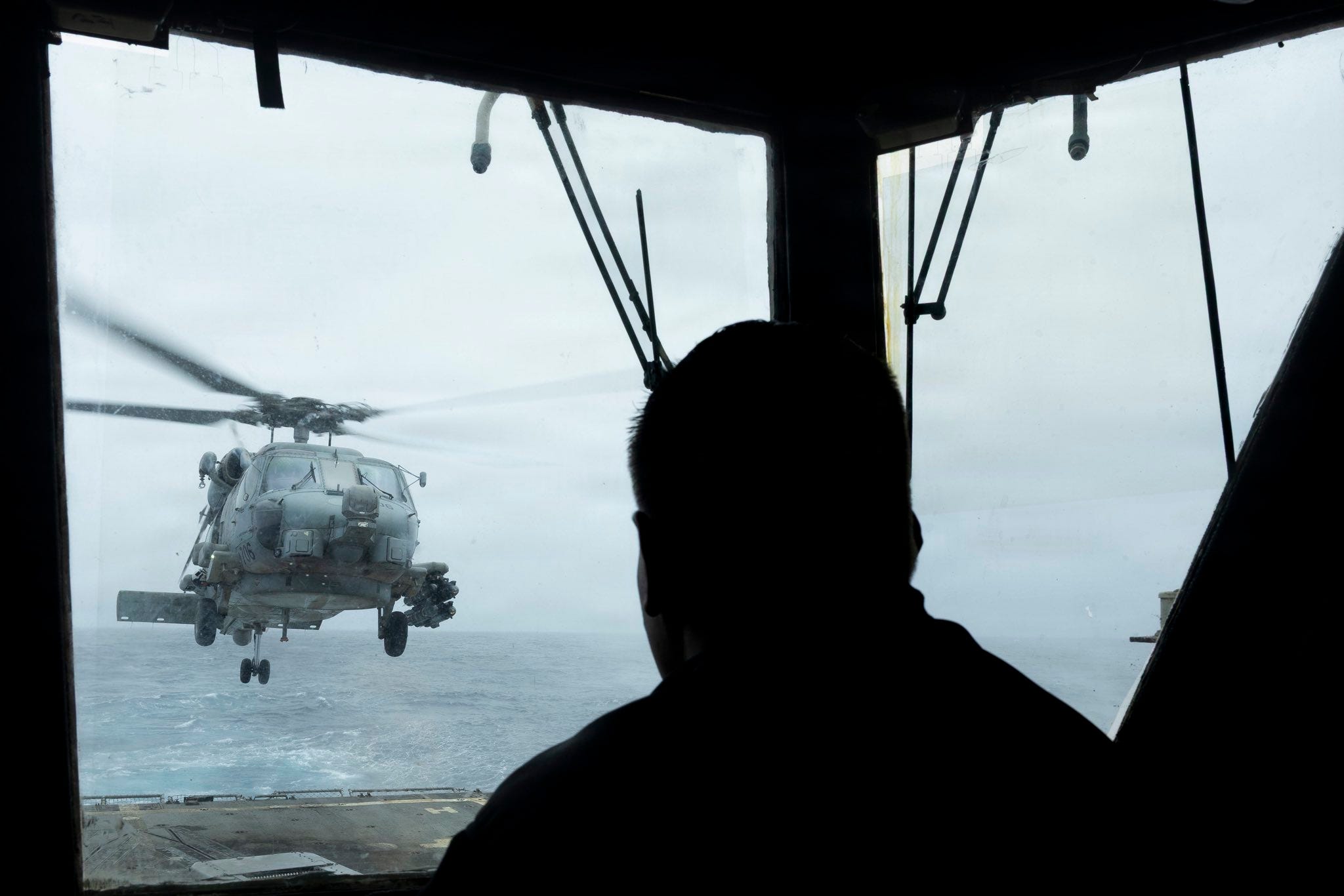
President Trump and Pakistani Prime Minister Shehbaz Sharif announced Sunday that America and Iran have agreed on a peace accord to reopen the Strait of Hormuz.
A ceasefire would also hold in Lebanon, where Israel has struck Iran-backed Hezbollah forces as recently as Sunday morning — though the Jewish state does not consider itself constrained by the deal.
Crucial details of the agreement remain unresolved, and a signing ceremony is not scheduled until Friday.
“The Deal with the Islamic Republic of Iran is now complete,” Mr. Trump wrote on his Truth Social platform. “Congratulations to all! I hereby fully authorize the toll free opening of the Strait of Hormuz, and, simultaneously herewith, authorize the immediate removal of the United States Naval blockade. Ships of the World, start your engines. Let the oil flow!”
Mr. Sharif, whose country served as a key intermediary between Washington and Tehran, said that “both sides have declared the immediate and permanent termination of military operations on all fronts, including in Lebanon.”
Mr. Trump told The Wall Street Journal that either he or Vice President JD Vance would sign the agreement — described as a memorandum of understanding — electronically Sunday ahead of the ceremony, which Mr. Sharif said would take place in Bern, Switzerland. Mr. Trump’s Ultimate Fighting Championship Freedom 250 is taking place outside the White House Sunday night.
British Prime Minister Keir Starmer said he “warmly” welcomed the deal, calling it “the progress we had hoped to see.”
“This is a hugely important step forward in ending the war, ensuring regional stability and re-opening the Strait of Hormuz,” Mr. Starmer said. “I congratulate President Trump and the mediators from Pakistan, Qatar and elsewhere who have contributed to this breakthrough. We have long urged de-escalation and this is the progress we had hoped to see.”
He pledged British support for a “defensive, independent multilateral mission” to assist with mine clearance in the strait and called for toll-free freedom of navigation to be restored “to begin easing the severe economic impacts that have been felt for several months — on families here in the UK and around the world.”
The U.S. and U.K. leaders had repeatedly clashed over the Iran conflict that started February 28 when Washington assassinated Supreme Leader Ali Khamenei. When Sky News asked Mr. Trump how he would describe “the special relationship,” he said, “It’s the relationship where when we asked them for help, they were not there. When we needed them, they were not there.”
Details of the agreement were not disclosed beyond the pledges to reopen Hormuz and begin talks on Iran’s nuclear-weapons program. Some reports indicated $25 billion in Iranian assets could be unfrozen, but only after a final deal, which could take up to 60 days to negotiate — meaning the announced deal is a preliminary framework rather than a completed accord.
It was also unclear Sunday when the Strait of Hormuz would reopen. Mr. Trump’s initial social-media post appeared to authorize the lifting of the U.S. naval blockade immediately, but Mr. Sharif’s statement suggested the opening would coincide with Friday’s signing. Mine-removal operations need to be completed before full commercial transit can resume.
Israel, whose military operations against Iran-linked forces have shaped the conflict, has not commented publicly on the deal. The announcement came hours after Israel struck what it described as a Hezbollah command site in Beirut’s suburbs. Mr. Trump criticized the attack.
“This morning’s attack on Beirut should not have happened, particularly on a special day when we are so close to a Peace Deal with Iran,” the president wrote early morning on Truth Social. “Israel has the right to defend itself against threats, but the attack it was responding to was very small and meaningless, nobody was hurt, injured, or killed, and should not disrupt this important process.”
Mr. Trump cast the agreement as a diplomatic milestone, claiming credit for succeeding where his predecessors had failed. “This Great Deal will bring Peace and Security to the whole Region,” he wrote. “Many presidents have tried to make Peace with Iran, and all have failed before me. The Leaders of the Region have, for the first time, found a President who can help them achieve real Peace.”
Iran’s leaders had a different take on the deal, saying it was a victory over the United States.
“The Islamic Republic of Iran, under the leadership of its martyred leader, has completed its superiority over the American Zionist enemy,” the Tehran Times posted, quoting the secretariat of the Supreme National Security Council. “According to the agreements reached, the war and military operations on all fronts, including Lebanon, will end immediately and permanently from tonight, and furthermore, the naval blockade against Iran will be immediately and completely lifted.”
But Anna Rayva-Barsky of Israeli newspaper Maariv reported Israeli sources said Prime Minister Benjamin Netanyahu told Mr. Trump “Israel does not consider itself bound by the Lebanese clause in the American-Iranian agreement” and would continue to “act to thwart” the threat Hezbollah poses from Lebanon.


