

Trump Orders New 50% Tariffs on Selected Canadian Goods
Hockey sticks and the Peruvian liquor pisco are included.
President Trump ordered additional 50 percent tariffs Monday on selected Canadian goods, citing “unfair trade practices” and “discrimination against American products.”
The action targets imports ranging from wine, cement, and hockey equipment to automobiles and dairy-related products. The new duties are scheduled to take effect August 19, some 30 days after Mr. Trump signed three proclamations imposing them.
The tariffs apply to covered goods even if they qualify for preferential treatment under the United States-Mexico-Canada Agreement, per a White House fact sheet. Energy, potash, fish, critical minerals, and products already covered by certain national-security tariffs are excluded.
Mr. Trump acted under Section 338 of the 1930 Tariff Act, a rarely used provision allowing the president to impose duties of up to 50 percent when another country discriminates against U.S. commerce.
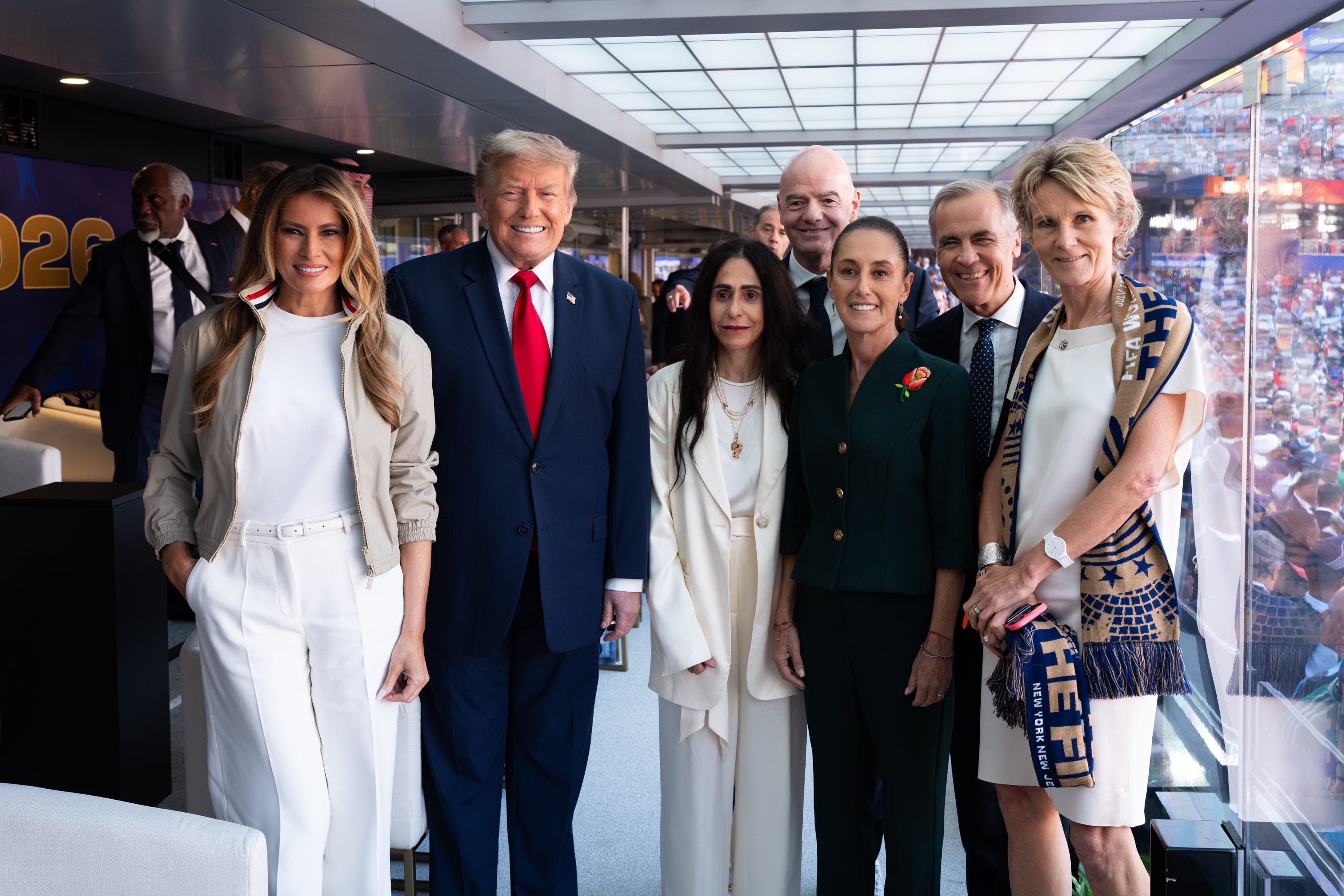
The announcement came roughly 24 hours after Mr. Trump and Canadian Prime Minister Mark Carney attended Sunday’s FIFA World Cup final in East Rutherford, New Jersey. The two leaders watched Spain defeat Argentina along with Mexican President Claudia Sheinbaum and other dignitaries.
Mr. Carney Monday evening called Mr. Trump’s moves “the latest in a series of unilateral U.S. trade actions.” He said that “Canada has made a series of detailed and comprehensive proposals to resolve this dispute” while also inking “more than 20 new economic and security partnerships” with other nations.
He said, “Canada stands ready to engage intensively to address outstanding issues with the U.S. to the mutual benefit of our citizens.”
“The Trump administration’s new tariff threats are unjustified and concerning,” Quebec Premier Christine Fréchette said. “This is the worst time to add a layer of instability to Quebec’s economy, when our businesses need predictability.”
The White House said Canada treated U.S. exporters less favorably than competitors in three areas: automobiles, alcoholic beverages, and dairy products. It said the tariffs are intended to offset resulting disadvantages and encourage Canada to change its policies.
The alcoholic-beverage proclamation said every Canadian province and territory stopped buying, distributing, or selling American alcoholic beverages beginning in March 2025. Alberta and Saskatchewan lifted their bans in June 2025, but the others did not.
Canadian imports of U.S. alcoholic beverages fell approximately 81 percent, from about $718 million to $137 million, between March 2025 and February 2026, compared with the corresponding year-earlier period, according to the proclamation.
The covered-products list includes beer, wine, cider, sake, whiskey, rum, gin, vodka, tequila, and numerous brandies. It also names pisco, a Peruvian grape brandy not made in Canada, and slivovitz, a plum brandy produced only in minuscule quantities in Quebec and Ontario.
The same annex includes ice-hockey and field-hockey equipment other than balls and skates, plus parts and accessories. Hockey sticks are among the Canadian goods facing the additional tariff.
Other listed goods include densified wood, selected wooden kitchenware, bamboo articles, and several paper products.
The alcohol annex also reaches beyond beverages and sports gear, covering essential oils of grapefruit, wood marquetry, uncoated kraftliner, and greaseproof paper. The descriptions are keyed to Harmonized Tariff Schedule classifications, meaning the tariff applies to covered Canadian imports rather than every item commonly bearing those names.
On automobiles, the White House said Canada imposes tariffs and quotas on U.S. vehicles that do not apply to imports from some other countries. It also accused Canada of administering quotas to pressure American automakers to shift production north.
Canadian imports of U.S. motor vehicles dropped approximately 22 percent, or $5.6 billion, from April 2025 through March 2026 compared with the prior 12-month period, the administration said.
The dairy dispute centers on Canada’s tariff-rate quotas for cheese. The administration said Canadian rules bar retailers from receiving quota allocations for U.S. cheese under the USMCA, while retailers may access allocations for European Union cheese under a separate trade agreement.
Each proclamation says the duties will be added to other applicable tariffs, taxes, and fees. Goods already subject to Section 232 tariffs generally will not face the new levy.
The White House described the measures as a response to discriminatory Canadian policies and said they will create opportunities for American producers in the domestic market.
Candace Laing, president and CEO of the Canadian Chamber of Commerce, told CBC News she hopes cooler heads prevail before the tariffs take effect.
“While this is a regrettable escalation by the U.S. administration, we now have 30 days before this comes into effect,” she said. “Both sides need to use this window to make meaningful progress in advancing formal talks. There are important discussions to get to that will strengthen not threaten our shared prosperity.”
 | A guest post by
|