

Trump Orders Changes at Smithsonian After White House Report Alleges Exhibits Biased
The mandate comes days after a testy congressional hearing.
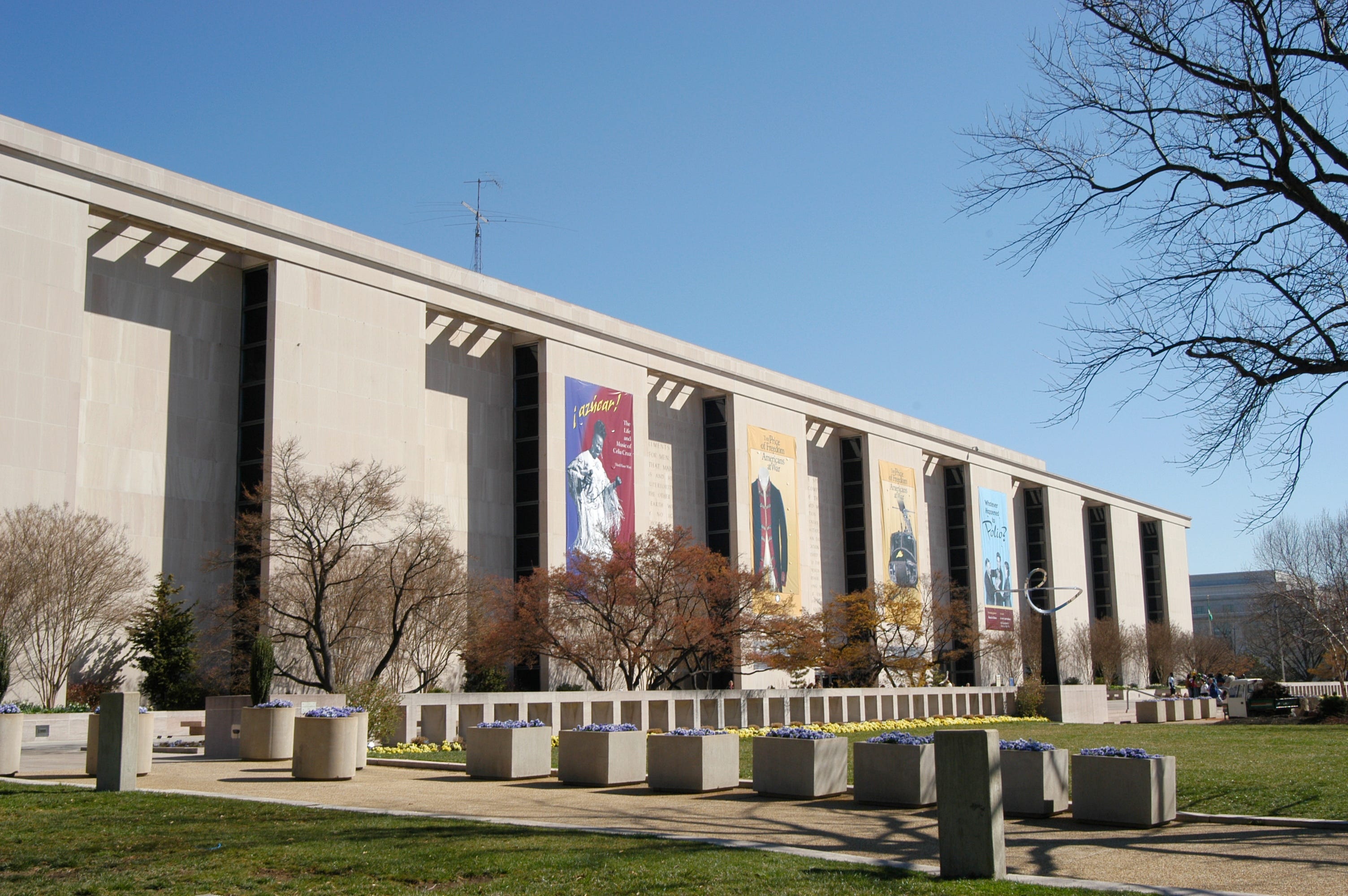
President Trump signed an executive order Friday directing the Smithsonian Institution to address what his administration called inaccurate, ideologically driven, and politically biased presentations of American history.
The directive caps weeks of escalating conflict among the White House, congressional Republicans, and Smithsonian leaders over the museum system’s exhibits.
The order, Restoring Trust in the Smithsonian Institution, follows the White House Domestic Policy Council’s monthslong review that concluded the Smithsonian’s National Museum of American History has been shaped by “ideological capture.”
Mr. Trump said the institution has “repeatedly presented distorted, divisive, and ideologically driven narratives that misrepresent American history and undermine the Nation’s exceptional achievements.”
The executive order directs the Smithsonian’s board of regents to work with the administration to restore historically accurate and politically neutral exhibits. It also calls for exhibits and public-facing materials the White House review identified as inaccurate or biased to be corrected.
The White House tied the action to Mr. Trump’s March 2025 executive order Restoring Truth and Sanity to American History. That directive ordered a review of federally supported historical presentations and instructed officials to identify displays the administration considered inconsistent with its view of American history.
Friday’s order specifically cites the Domestic Policy Council report, “Saving America’s Story: How Ideological Capture at the Smithsonian Institution’s National Museum of American History Erases Our Heritage,” as the basis for further action.
One congressional Democrat immediately denounced the latest order as “a clear political overreach.” New Mexico Congresswoman Melanie Stansbury, who sits on the House Committee on Oversight and Government Reform, blasted it as being “driven by an ideological agenda to rewrite American history. Our Smithsonian institutions do not belong to the President, but to the American people and so does our nation’s history.”
The White House said the report found the museum had failed “to tell America’s story with honesty, seriousness, and pride,” arguing that exhibits frequently emphasized division while giving insufficient attention to the nation’s founding principles and achievements.
The executive order represents the administration’s strongest response yet after weeks of increasingly public disputes over the Smithsonian.
Republicans on the House Oversight Committee questioned Smithsonian officials during a hearing last week focused on whether exhibits reflected political bias. National Museum of American History Director Anthea Hartig defended the institution’s work.
“The museum does not take sides,” she told lawmakers, adding that its mission is to present scholarship reflecting the complexity of the American experience. She said patriotism is strongest when “not instructed but inspired,” rejecting suggestions the museum intentionally promotes partisan viewpoints.
But historian William Federer, a D. James Kennedy Center for Christian Statesmanship senior fellow, disputed Ms. Hertig’s assertion of neutrality.
“She has been promoting values that disconnect us from the values of those that founded this country and those that gave birth to the freedoms that we have,” he told The Washington Star.
Bishop E.W. Jackson, a former Virginia lieutenant-governor candidate, told the Star the Smithsonian “should be for the purpose of: Can we chronicle what is going on in history? What is going on in our culture? But it ought to be done in a fair and objective way.” He added, “I think that rules should be put in place to see to it that the Smithsonian does that.”
The White House rejected Ms. Hertig’s assurances in Friday’s order, saying exhibits criticized in the report require corrective action. Mr. Trump’s directive states that restoring public confidence requires ensuring Smithsonian museums present “accurate and balanced accounts of American history” while avoiding what the administration characterizes as ideological advocacy.
The Smithsonian, created by Congress in 1846, is governed by a board of regents that includes the vice president, the chief justice of the United States, members of Congress, and citizens.
The executive order does not announce the immediate removal of specific exhibits. Instead, it directs implementation of recommendations contained in the White House report and calls for cooperation between the administration and the Smithsonian’s governing leadership.
 | A guest post by
|