

Michigan Politics' Girlboss Era Is Over
It's an uncomfortable truth of the 2026 primary elections.
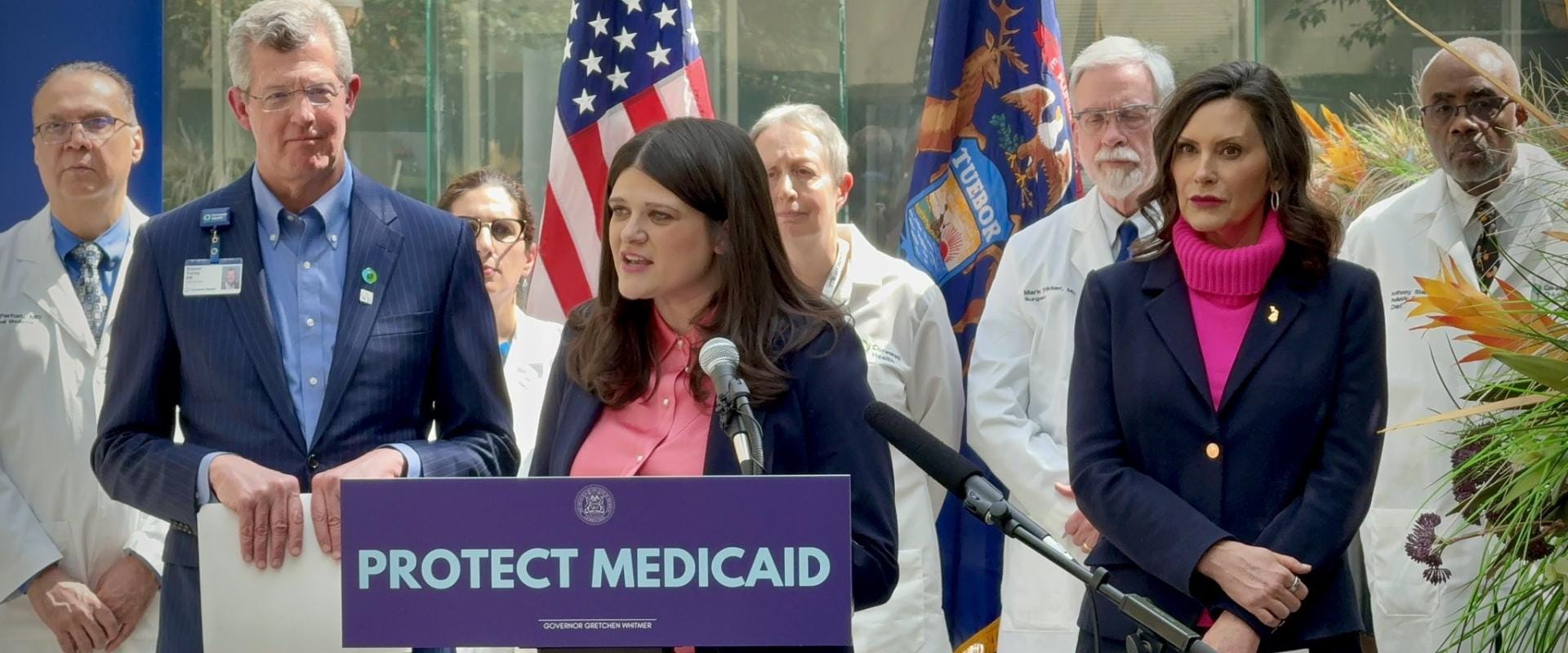
Where have all the girlbosses gone?
Democratic women in Michigan politics have “numbers too big to ignore.” Just ask them. But the 2026 election shows the girlboss era of Michigan politics is over.
Governor Gretchen Whitmer, Secretary of State Jocelyn Benson, and Attorney General Dana Nessel all swept into office together in 2018. Observers called it a “pink wave,” the first time women held all three statewide positions, let alone women of the same party.
Senator Elissa Slotkin also won her first U.S. House race that cycle, defeating incumbent Congressman Mike Bishop.
State Senator Mallory McMorrow, once a Democratic contender for Senate this year, won her suburban Detroit seat over an incumbent Republican with a family name, Marty Knollenberg. And Congresswoman Haley Stevens won her first race as well, defeating Congressman Andy Levin, brother of late Senator Carl Levin.
Three statewide wins for women. And three rising stars who beat incumbents to earn their seats.
The Democratic trifecta was at the peak of its powers in 2022. Not only did the pink-wave trio win re-election; voters approved a constitutional amendment for limitless abortion. It turns out November 2022 was the high-water mark of the girlboss era.
The abortion amendment came months after the Supreme Court overturned Roe v. Wade in June 2022, sending the issue back to the states. In Michigan, a1931 anti-abortion law was still on the books, and it was the perfect foil for Ms. Whitmer and company.
So strong was the girlboss sentiment that Republicans sought to match it. In 2022, five of the six statewide office candidates were women. In 2018, four of the six were women.
The pink-wave trio won, and the Michigan House and Senate, both held by Republicans, flipped to Democratic control. In the words of state Senator Dayna Polehanki, her party now “held all the gavels” in Michigan for the first time in 40 years.
It wouldn’t last.
In the 2024 presidential election, President Joe Biden briefly tried to run abortion commercials on the Michigan airwaves. But after the 2022 amendment, abortion was no longer on the ballot. The commercials didn’t resonate. Mr. Biden pivoted then quit after a disaster of a debate performance against Donald Trump.
This year, with a Senate seat also on the ballot, there are four statewide offices available. And of the eight candidates between the two parties, only one, Jocelyn Benson, is a woman.
Abdul El-Sayed didn’t just win the Democratic Senate primary; he beat two elected Democrats from the class of 2018 to do it. Ms. McMorrow and Ms. Stevens both enter 2027 looking for their next opportunity.
In the secretary of state race, Lieutenant Governor Garlin Gilchrist beat out Barb Byrum, clerk of Ingham County, home of Michigan’s capital city, Lansing. In the attorney general contest, Washtenaw County Prosecutor Eli Savit nudged out Karen McDonald, the Oakland County prosecutor.
Both secretary of state and attorney general are convention races in Michigan, and those primaries are decided by delegates in the spring rather than voters in August.
Democrats had viable women in all four statewide races, but only one survived.
Now Ms. Whitmer is months from eating early-bird specials, having checked out from state politics and showing little interest in the 2028 presidential race.
Ms. Nessel is at a political dead end and has not even attempted a second act in politics.
Ms. McMorrow and Ms. Stevens gave up their seats to compete for the Senate nomination.
Ms. Slotkin is in the Senate — the only one of the class of 2018 who is better off than when she started.
 | A guest post by
|