
Iraq Joins the Anti-Iran Coalition — To Tehran's Chagrin
Rubio makes more progress than Witkoff and Kushner.
While talks between Iran’s and America’s negotiation teams in Doha center around the Strait of Hormuz, Tehran and its Islamic Revolutionary Guard Corps may have bigger problems to worry about — namely retaining terrain and influence from which the IRGC has been able to project power upon Israeli and U.S. forces in the region.
Already lost: Syria and the Gaza Strip. Now Lebanon and Iraq are in play. Tehran’s Hezbollah and Shiite militia proxies in Iraq face eviction and disarmament.
The United States, Israel, and Lebanon signed a trilateral framework agreement Friday aimed at combating Hezbollah. The Jerusalem Post reports, “According to a U.S. State Department statement, the agreement outlines a structured process for disarming Hezbollah, dismantling terrorist infrastructure, and enabling the IDF to withdraw from Lebanon once the threat posed by Hezbollah is removed.”
Prime Minister Benjamin Netanyahu affirmed Israel will remain in “the security zone in southern Lebanon” and coordinate the withdrawal of Israel Defense Forces from the area as the Lebanese army works to disarm Hezbollah and establish control over territory. Israel in the meantime continues to locate and destroy Hezbollah tunnel networks.
As expected, Hezbollah leader Naim Qassem rejected the framework agreement, calling it “humiliating, shameful and a surrender of sovereignty” for Beirut. He went on to say, “We will continue as a resistance in the field to defeat the occupation” by Israel. “We did not leave the field under difficult circumstances and we will not abandon it.”
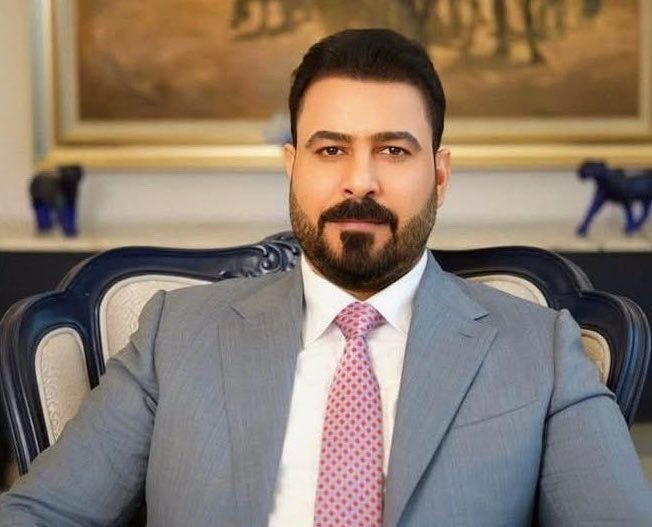
Iraqi Prime Minister Ali al-Zaidi initiated a crackdown on corruption Sunday that will likely affect Iranian influence and funding to its Shiite militias.
As Ron Popeil would say, “But wait, there’s more.” Iraq’s government has given Iranian-backed Shiite militias in the country until September 30 to disarm. During the weekly press conference Tuesday, Iraqi government spokesman Haidar al-Aboudi stated, “All the armed groups have been informed of a specific date that marks the end of this issue.”
In the balance: Point number one in the 14-point memorandum of understanding between the United States and Iran calls for an “immediate and permanent termination of military operations on all fronts, including in Lebanon.”
“All fronts” now includes Iraq. This is not what Iran intended. The loss of Lebanon and Iraq significantly harms Iran’s ability to attack Israeli and U.S. forces in the region — specifically Erbil and the Green Zone in Baghdad.
Unlike Steve Witkoff and Jared Kushner, Secretary of State Marco Rubio has brilliantly used Tehran’s words against it — securing a trilateral agreement with Israel and Lebanon and exerting pressure on Baghdad to ensure the Shiite militias turn in their weapons.
Decision point: Iran and Hezbollah will certainly try to circumvent the progress Mr. Rubio made in weakening their proxy network.
Lebanese parliament speaker Nabih Berri, a Hezbollah ally, has already stated the trilateral framework agreement will not pass because it doesn’t guarantee Lebanon’s rights — though he did not state what rights it does not guarantee.
Mr. Witkoff and Mr. Kushner must stand their ground. Both the trilateral agreement and Iraq’s decision to disarm Shiite militias meet the intent of the memorandum’s first point.


