
How Iran Is Using Kinetic Ceasefire Violations as Leverage in Trump Administration Negotiations
Your guide to what's news in foreign affairs — and why it matters.
IRAN CONTINUES DEFYING ITS CEASEFIRE WITH AMERICA AND ISRAEL
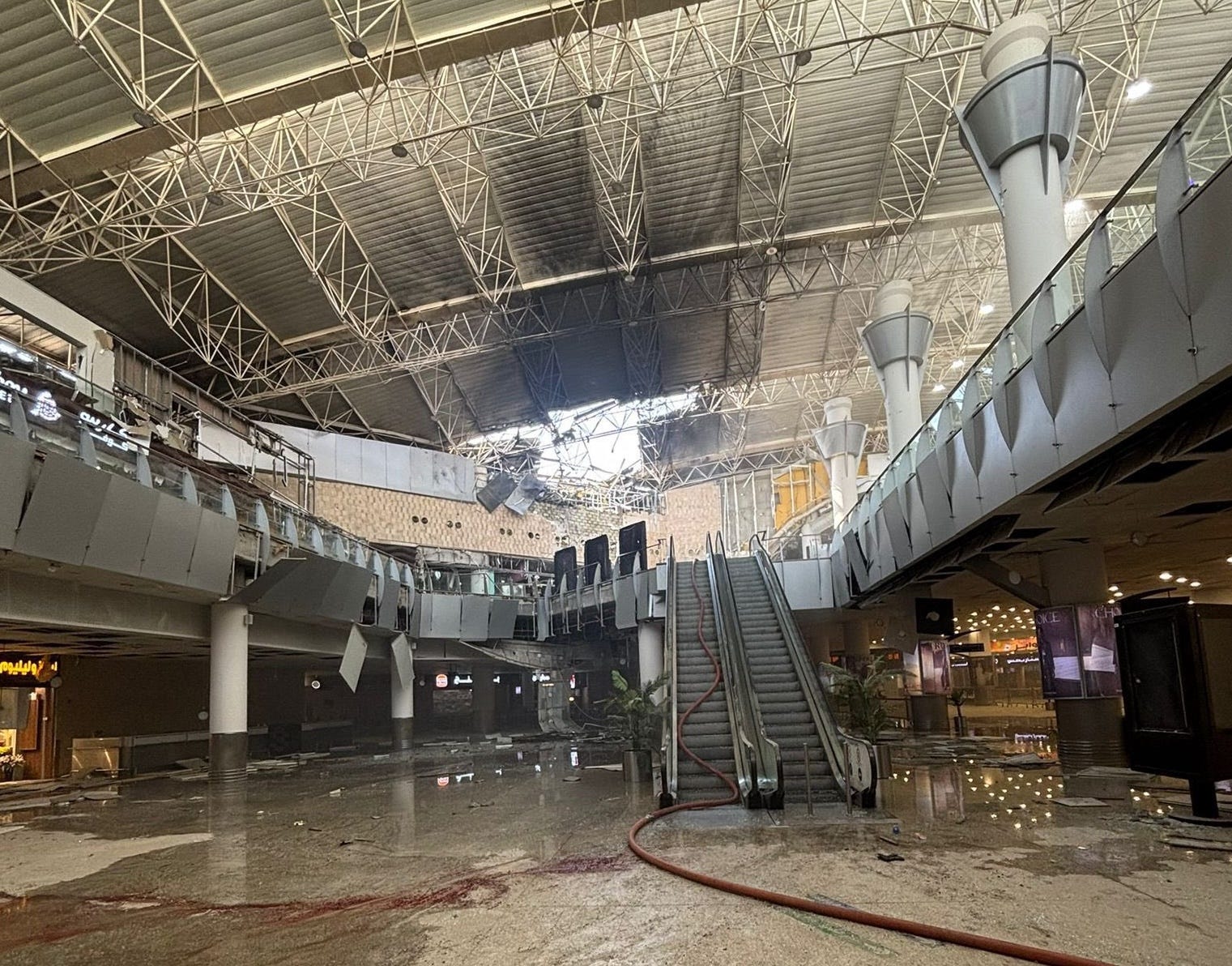
Overnight, multiple Iranian drones struck an active passenger terminal at Kuwait International Airport. One person was killed, and at least 63 people were injured.
Social-media pictures and videos show the roof and interior heavily damaged with multiple fires and heavy smoke visible inside the building.
Oil prices immediately surged, rising 2 percent Wednesday morning.
Kuwait’s Ministry of Foreign Affairs condemned the attack on X and accused Iran of “targeting once again civilian and vital facilities.” Other buildings, including diplomatic missions, were also reported hit during the Iranian drone strike. Brigadier General Saud Abdulaziz Al-Otaibi, a Kuwait Defense Ministry spokesman, called the strikes “criminal Iranian aggression.”
The Islamic Revolutionary Guard Corps took responsibility for the attacks. It claimed Iran’s Kuwait strikes — and its targeting of the U.S. Fifth Fleet headquarters in Bahrain — were the result of U.S. attacks on “an Iranian oil tanker” operating in the Strait of Hormuz and “an IRGC communications tower in the Southern part of Qeshm Island with aerial projectiles.”
The IRGC statement added, “We had previously warned that any act of aggression would be met with a different and heavier response, and we acted accordingly. These responses should serve as a lesson.”
U.S. Central Command announced on X yesterday it had disabled the Botswana-flagged M/T Lexie oil tanker as it tried to transit to Kharg Island. American military aircraft fired “a Hellfire missile into the ship’s engine room, preventing the tanker from reaching Iran.”
CENTCOM also noted Tuesday, “U.S. forces successfully defeated multiple Iranian ballistic missiles and drones, and conducted self-defense strikes on Qeshm Island in response to attempted attacks by Iran across the Middle East, June 2.”
In the balance: Tehran is increasingly using kinetic ceasefire violations in the Persian Gulf to leverage its negotiating position with the Trump administration. Tallies vary, but since the fragile ceasefire went into effect April 8, Iran has fired at least 50 cruise and ballistic missiles and several hundred drones at American forces and the Gulf states.
Those states are showing signs they have had enough of Iran. Saudi Arabia’s Ministry of Foreign Affairs denounced “the treacherous Iranian aggression and blatant violation of the sovereignty of the sisterly Kingdom of Bahrain and the sisterly State of Kuwait, including the targeting of Kuwait International Airport and several of its vital facilities.”
The United Arab Emirates condemned it as well. Notably, UAE presidential adviser Anwar Gargash tweeted, “In light of Iran’s repeated aggression against the brotherly states of Kuwait and Bahrain, a firm, unified and cohesive Gulf stance is imperative. No Gulf state should be left to face these attacks alone.”
IRAN IS TRYING TO CREATE A WEDGE BETWEEN TRUMP AND NETANYAHU IN LEBANON
During an interview yesterday with New York Post columnist Miranda Devine, released this morning, President Trump admitted he did tell Israeli Prime Minister Benjamin Netanyahi he is “effing crazy.”
The disagreement between the two wartime leaders was over Israel’s expanding military actions against Hezbollah in Lebanon. The IRGC proxy, undoubtedly at Iran’s behest, continues to violate its April 16 ceasefire with Jerusalem by firing rockets into northern and central Israel.
Hezbollah is the crown jewel of Iran’s “Axis of Resistance.” The IRGC is desperate to ensure its survival as a strategic regional check against the Israel Defense Forces.
Yet Tehran is also finding out Hezbollah is increasingly a strategic negotiating check against Mr. Trump as the two countries endeavor to hammer out a Memorandum of Understanding to bring an end to the war in Iran.
Mohammad Bagher Ghalibaf, the Iranian parliament speaker, made that clear Monday when he tweeted, “If the Israeli aggression against Lebanon continues, we will not only halt the path of negotiations, but we will also be in direct confrontation with the enemy.”
In the balance: Iran is attempting to use Hezbollah as a “Get out of Jail Free” card when it comes to negotiating the MOU. Let’s hope Trump is beginning to see through that, especially in light of the IRGC’s bids to divide the United States and Israel over Lebanon.
If so, that likely explains why Trump emphasized during his interview with Devine, “I like Bibi [Netanyahu’s nickname] a lot, and I work very well with him.”


